Busy teams, too many decisions
Work patterns, caring responsibilities and tiring days can push food planning to the bottom of the list. Help people leave with a realistic next step, not another library they have to search.
 PantryOK
PANTRYOK FOR PARTNERS
A busy week leaves little room for food decisions. Turn your wellbeing support into manageable steps people can return to when they’re planning, shopping or deciding what to cook.
For organisations and universities supporting everyday wellbeing.

THE GAP BETWEEN INTENTION AND EVERYDAY LIFE
Give employees and students somewhere to begin when budget, time and energy get in the way of eating well.
Work patterns, caring responsibilities and tiring days can push food planning to the bottom of the list. Help people leave with a realistic next step, not another library they have to search.
A first food budget, a shared kitchen and an unfamiliar routine can make independent living feel demanding. Build confidence around a useful shop and a few meals they can make again.
One-off resources can disappear between sessions. Keep reviewed guidance, manageable activities and the next practical action together, with a clear place to return.

FOR EMPLOYERS / ENGAGEMENT & RETENTION
A demanding job, a commute or a changing shift can leave little energy for the next meal. A benefit becomes meaningful when it helps with a real pressure at home.
Help employees leave with a few dependable meals and a more manageable food routine. Make wellbeing support feel relevant across office, hybrid and shift-based teams.
Give people a reason to return to your wellbeing support, with practical help they can use at work and at home.

FOOD AFFORDABILITY / FAIRER ACCESS
When the food budget is tight, advice alone can feel out of touch. People need options that fit the money, equipment, time and shops they actually have.
Help employees and students make a realistic food shop, use more of what they buy and build meals around affordable staples. Offer support that respects culture, dietary needs and different starting points.
Different budgets. Familiar food. A useful place to begin without judgement.
LONG-TERM HEALTH / SUPPORT THAT GOES FURTHER
Living with a long-term condition can add another layer to every food decision. As wellbeing needs become more complex, UK employers and universities need their support budgets to go further.
Help people turn their own professional guidance into familiar meals, a useful shopping plan and clearer questions for their next appointment. Keep practical support connected to the person, rather than a generic list of food rules.
Keep personal goals and appropriate professional advice at the centre, with everyday support people can return to between appointments.
FOR UNIVERSITIES / INDEPENDENT LIVING
A new timetable, a shared kitchen and a first food budget can make university life feel harder than it looks. International students and those with additional support needs may face different practical barriers.
Help students find a few meals they can make again, plan a shop within their budget and feel more at ease feeding themselves. Give student wellbeing, disability and accommodation teams a practical starting point for support.
Agree what success looks like: confidence with a food budget, a first meal made independently or a routine a student feels able to repeat.
WHO WE BUILD FOR
For teams supporting the practical side of eating well, where planning, shopping and cooking can be harder than they look.
Help students feel more capable of shopping, cooking and feeding themselves as they settle into independent life.
Help people manage the food decisions that compete with their working day, as part of your wellbeing or neurodiversity support.
FROM YOUR GUIDANCE TO THEIR DAY
Choose a routine your participants want to feel more confident with, from planning a meal to getting through a food shop.
Shape your guidance into clear, practical activities your team trusts and each participant can approach at their own pace.
See which activities have been completed, then ask what felt useful, what was difficult and what support would help next.
A WORKSPACE WITH PURPOSE
A conversation can open the door. Give participants something practical to come back to when they are standing in the shop or deciding what to cook at home.
Give participants somewhere to return when they forget the advice or feel unsure where to start. Your approach stays close at hand.
Let your team agree the guidance before it reaches participants, with a clear record of what was approved and by whom.
Help each person focus on guidance chosen for them, without sorting through an overwhelming library of advice.
Break a difficult routine into approachable actions. Give participants space to pause, notice what helped and return at their own pace.
Keep your team’s work within your organisation, and each participant’s personal food data separate from staff administration.
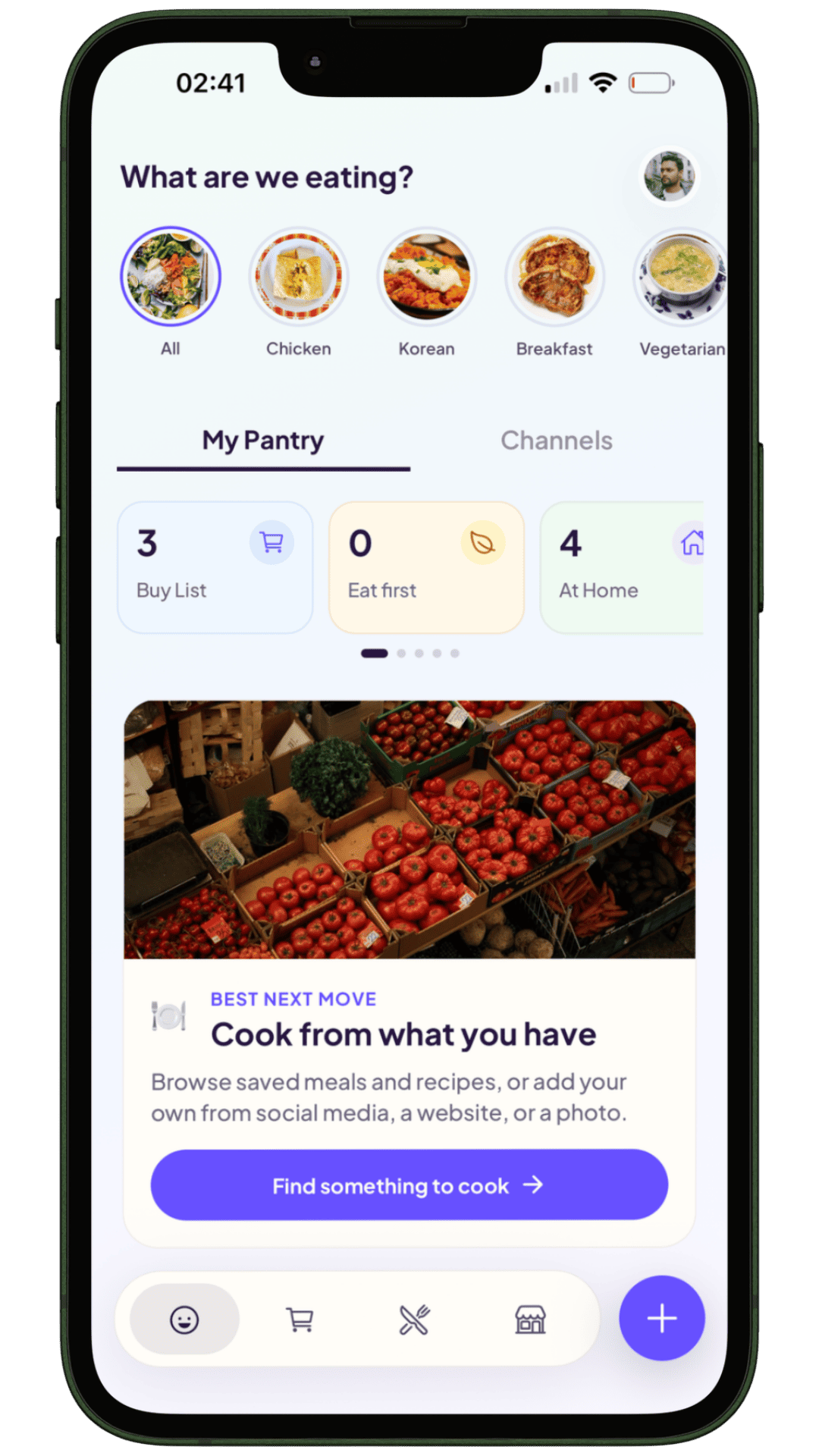
Make everyday shopping and meal decisions easier to organise, with a companion app that remembers the pantry, list and recipes.
Product preview shows an illustrative workspace with fictional data. Participants can read assigned programs in their web portal. The mobile app provides companion tools for personal food management.
OUR APPROACH
Good intentions need a practical place to land. We focus on clear actions, a manageable pace and guidance that can fit around someone’s own routine.
Read the NICE guidanceNICE’s behaviour-change guidance recommends agreed goals and action plans. Programs give your team a way to turn its guidance into specific, practical activities.
The same guidance includes self-monitoring and review. Activity completion and optional private reflections help participants keep track of their own steps.
NICE recommends tailoring support to people’s capabilities, circumstances and needs. Your team chooses the content and who it is appropriate for.
These principles inform the product design. They are not evidence of clinical effectiveness for PantryOK, professional endorsement or a claim of measured health outcomes. Source: NICE PH49, recommendations 7–8.
A PARTNERSHIP THAT FITS
Bring one food-support workflow you want to improve. We’ll discuss the participants it is for, how your team will deliver it and what a useful first rollout would look like, then scope an annual partnership.
A PROGRAM THAT FITS YOUR PEOPLE
A food shop that stays within budget. A meal someone feels able to make. A routine that still works during a difficult week. Start with the change your people want to feel in their lives.
Explore a focused program around that need, from everyday food confidence to practical support alongside professional nutrition advice.
Find the right starting point Programs are in development. Scope, availability and professional support will be agreed before enrolment.A FEW PRACTICAL QUESTIONS
We are exploring partnerships with universities, employers and wellbeing organisations. Tell us who you support and the food-related workflow you want to improve.
Yes. Your team can write programs, adapt reusable templates, add rich content and activities, and put drafts through review before publication. Programs can be assigned to specific participants.
Participants can read assigned programs in their web portal without installing an app. PantryOK for iOS and Android provides companion tools for their personal pantry, shopping lists and recipes.
An annual platform fee plus named user licences, tailored to your organisation, number of participants and scope of support. We agree the licence period, capacity and renewal terms in your contract.
No. It supports the practical steps between conversations. Your organisation remains responsible for the advice it provides and whether a program is appropriate for a participant.
The Partner database is hosted in London. We discuss access, retention, data protection and your procurement requirements before rollout. London database hosting is not a claim that every supplier processes data exclusively in the UK.
START WITH ONE FOOD-SUPPORT CHALLENGE
Tell us who you support and one routine you want to make easier. We’ll use your enquiry to discuss a first program, the people it would reach and the annual partnership that would support it.
Prefer email? Contact our team